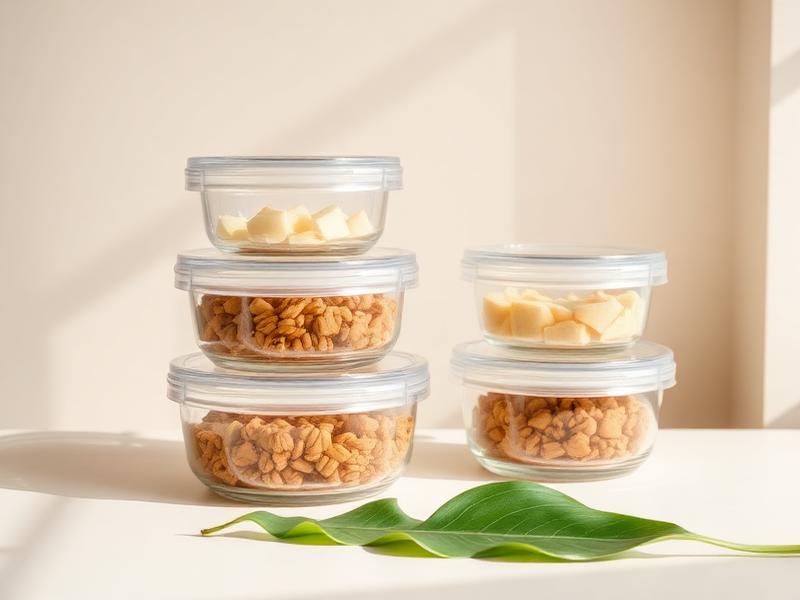
Plastic vs Glass: Which Is Safer?

When it comes to food storage and drinkware, glass and plastic behave very differently — especially under heat and with acidic foods. Here's a calm, side-by-side comparison.
Heat and acidity are the key factors
Plastics are more likely to release particles and chemicals when heated or when storing acidic foods like tomato sauce. Glass is inert — it doesn't react with food or shed particles under normal use.
The practical takeaway
You don't have to throw out every plastic item today. Prioritize glass for anything hot, acidic, or microwaved, and phase out scratched or aging plastic over time.
- Use glass for leftovers you'll reheat.
- Avoid microwaving in plastic entirely.
- Keep plastic for cool, dry storage if you're transitioning gradually.
See our top product picks
Compare the best low-tox options with clear Best Overall and Best Budget badges.
View Top PicksFrequently asked questions
Is all plastic dangerous?+
No. The biggest risks come from heat, acidity, and wear. Reducing those scenarios meaningfully lowers exposure without needing a total overhaul.
Is glass worth the extra cost?+
For frequently reheated foods, many families find glass worth it for durability and peace of mind. Start with the items you heat most.
The MicroPlastical Team
We research the science behind microplastics and translate it into calm, practical guidance for everyday families.
Get the free 30-Day Starter Guide
One small swap per day. Join the newsletter and grab the PDF.
No spam. Unsubscribe anytime. We respect your inbox.